


Kicking off with a question that’s on every traveler’s mind – how much does a trip to Japan cost? Planning a trip to this fascinating country can be overwhelming, especially when it comes to budget. But fear not, fellow adventurers! We’re about to dive into the nitty-gritty details of what to expect in terms of transportation, accommodation, food, and activities.
From the bustling streets of Tokyo to the serene landscapes of Kyoto, get ready to explore the cost breakdown of a Japanese vacation.
As we unravel the intricacies of a trip to Japan, you’ll discover that the cost of your adventure depends on various factors – the time of year, location, and personal preferences. Peak and off-peak seasons, for instance, have a significant impact on travel expenses, with peak periods seeing higher prices for accommodations and attractions. But don’t worry, we’ll show you how to navigate these cost differences and make the most of your yen.
Understanding the Cost Breakdown of a Japanese Vacation
Planning a trip to Japan can be a daunting task, but knowing how to estimate costs can make it more manageable. The cost of a trip to Japan varies greatly depending on several factors, including transportation, accommodation, food, and activities. In this article, we’ll break down the different components that make up the overall cost of a Japanese vacation, explore the impact of peak and off-peak seasons, and discuss how location within Japan can affect the cost of a trip.
Transportation Costs, How much does a trip to japan cost
When traveling to Japan, transportation costs can add up quickly. Here are some common ways to get around Japan and their estimated costs:
- Rail Pass: The Japan Rail Pass is a great way to save money on train travel. The 7-day pass costs around ¥29,110 (around $260 USD), which can be used to travel across the country on JR trains.
- Air Travel: Flights from the US to Tokyo can range from $500 to $1,200 depending on the airline, time of year, and availability.
- Bus: Riding the bus is a more affordable option, with prices starting from ¥1,000 (around $10 USD) for a one-way ticket.
- Taxis: Taxis in Japan are relatively expensive, with a starting fare of around ¥600 (around $5 USD).
Accommodation Costs
Finding affordable accommodation in Japan can be a challenge, especially in popular areas like Tokyo and Kyoto. However, there are several options to suit different budgets:
- Ryokans: Traditional Japanese inns, or ryokans, offer a unique cultural experience and can range from ¥10,000 to ¥50,000 (around $90 to $450 USD) per night.
- Hostels: Hostels are a great option for budget travelers, with dorms starting from ¥2,000 (around $18 USD) per night.
- Airbnb: Booking a private apartment or room on Airbnb can range from ¥20,000 to ¥50,000 (around $180 to $450 USD) per night.
Food Costs
Eating out in Japan can be expensive, but street food and convenience store options can be affordable. Here are some estimated costs for meals:
- Fast Food: A McDonald’s meal can cost around ¥500 (around $5 USD).
- Convenience Store Food: Snacks and sandwiches from convenience stores like 7-Eleven or FamilyMart can cost around ¥500 to ¥1,000 (around $5 to $10 USD).
- Restaurant Meals: A meal at a mid-range restaurant can cost around ¥2,000 to ¥5,000 (around $18 to $45 USD).
- Sushi: Sushi can range from ¥1,000 to ¥5,000 (around $10 to $45 USD) per piece.
Activity Costs
Japan has countless attractions and activities to explore, from temples and gardens to museums and theme parks. Here are some estimated costs for popular activities:
- Temple Entrance Fees: Temple entrance fees can range from ¥500 to ¥2,000 (around $5 to $18 USD)
- Museum Entrance Fees: Museum entrance fees can range from ¥500 to ¥2,000 (around $5 to $18 USD)
- Theme Park Tickets: Theme park tickets can range from ¥4,000 to ¥10,000 (around $35 to $90 USD)
Japan’s tourist season typically peaks during the spring (March to May) and fall (September to November) when the weather is mild and comfortable. However, prices for accommodations, transportation, and activities can be higher during these periods. If you’re looking for a more budget-friendly option, consider traveling during the off-peak season (December to February) when prices drop significantly.
Location and Cost
The location within Japan can greatly affect the cost of a trip. For example:
- Tokyo: Tokyo is one of the most expensive cities in Japan, with high prices for accommodations, food, and activities.
- Kyoto: Kyoto is a cultural hub with many temples and shrines, but prices for accommodations and food are relatively high.
- Rural Areas: Traveling to rural areas can be a cost-effective option, with lower prices for accommodations and food.
Calculating the Cost of Transportation in Japan
When planning a trip to Japan, understanding the costs of transportation is crucial for budgeting and making the most of your time. Japan’s extensive public transportation network and various transportation modes can be overwhelming, but with the right knowledge, you can navigate the country efficiently and affordably.
Japan Rail Passes for Long-Distance Travel
The Japan Rail Pass is a cost-effective way to travel by train, especially for long distances. This pass can be purchased separately or as part of a package deal for tourists. The pass allows unlimited access to JR trains, including the famous bullet trains (Shinkansen), and can be purchased for different durations: 7, 14, or 21 days. Prices range from approximately $250 to $450 per person for 7-21 days, depending on the type and duration of the pass.
Planning a trip to Japan can be a thrilling experience, but before you embark on your adventure, you’ll want to consider the costs involved, which can range from a few hundred to several thousand dollars. Just like how you need to be mindful of your spending money in Japan, you also need to know how to take deodorant stains out of black shirts to avoid discoloration and maintain your wardrobe’s integrity.
To give you a better estimate, the cost of airfare alone can exceed $1,000 from certain parts of the world, and accommodations can range from affordable guesthouses to luxury hotels.
- Prices for Japan Rail Passes
- 7-day pass: around $250-$270
- 14-day pass: around $320-$370
- 21-day pass: around $430-$490
- Discounts are available for children, seniors, and groups; check the official Japan Rail Pass website for more information
- Types of Passes
- Ordinary Pass: grants access to regular trains, buses, and ferries
- Green Pass: provides access to reserved, high-speed Green Cars on Shinkansen trains
- Special Passes: designed for specific routes or regions, such as the Hokkaido Pass or the Kansai Pass
When purchasing the Japan Rail Pass, note that the following conditions apply:
Passes must be redeemed within three months from the issue date and must be used within a certain timeframe (usually 2-6 weeks, depending on the pass). Unused portions of the pass cannot be refunded or reimbursed.
Budgeting for Activities and Attractions in Japan
Planning a trip to Japan can be an exciting experience, but it requires careful budgeting to make the most of your stay. With countless attractions, activities, and cultural experiences to choose from, it’s essential to prioritize your spending and make the most of your time in Japan. In this section, we’ll explore the estimated costs of popular attractions, discuss the importance of purchasing tickets and reservations in advance, and compare the costs of guided tours and self-guided tours.
The Most Popular Attractions in Japan
Japan is famous for its vibrant culture, rich history, and stunning landscapes. Here are some of the most popular attractions to consider when planning your trip:
- Sushi restaurants: A traditional sushi meal in Japan can cost anywhere from ¥2,000 to ¥5,000 (approximately $18 to $45 USD) per person. Popular sushi restaurants like the Tsukiji Fish Market in Tokyo or the Kappabashi Dougu Street in Osaka offer a unique experience for foodies.
- Temple and shrine visits: Visiting famous temples and shrines like Fushimi Inari Shrine in Kyoto or Senso-ji Temple in Tokyo can be a peaceful and serene experience. Entrance fees typically range from ¥500 to ¥1,000 (approximately $4 to $9 USD) per person.
- Museums: Japan has a wealth of museums showcasing its rich history, art, and culture. The Tokyo National Museum, for example, offers free admission on the first Monday of every month, while other museums like the Ghibli Museum in Mitaka, Tokyo, charge around ¥1,000 (approximately $9 USD) per person.
- Theme parks: Japan is home to several world-class theme parks like Tokyo Disneyland and Universal Studios Japan. A one-day pass can cost anywhere from ¥10,000 to ¥20,000 (approximately $90 to $180 USD) per person, depending on the park and season.
Purchasing Tickets and Reservations in Advance
Many popular attractions in Japan offer discounted tickets and special packages for visitors who purchase their tickets in advance. For example, buying a ticket to the famous Tsukiji Fish Market in Tokyo can save you around ¥500 (approximately $4 USD) compared to buying on the spot.
Planning a trip to Japan can be overwhelming, especially when it comes to budgeting for expenses. Similar to how one might dive into the world of How to Train Your Dragon coloring book pages , where each page holds a secret to the next great dragon ride, uncovering the intricacies of Japan’s cost can be an adventure in itself.
To give you a rough estimate, a two-week trip to Japan can cost anywhere from $2,000 to $5,000 per person, depending on the time of year and level of luxury.
Guided Tours vs. Self-Guided Tours
When planning your itinerary, you may be torn between choosing a guided tour or exploring Japan on your own. Here are some factors to consider:
- Guided tours: A guided tour can provide valuable insights and access to exclusive experiences, but they can be more expensive, typically ranging from ¥20,000 to ¥50,000 (approximately $180 to $450 USD) per person for a full-day tour.
- Self-guided tours: Exploring Japan on your own can be more budget-friendly, with costs ranging from ¥5,000 to ¥10,000 (approximately $45 to $90 USD) per day, depending on your itinerary and transportation.
Participating in Traditional Japanese Activities
Japan offers a wide range of traditional activities and experiences, from tea ceremonies to martial arts classes. These unique experiences can add a new layer of depth to your trip and provide a glimpse into Japan’s rich culture. Here are some estimated costs:
| Activity | Cost |
|---|---|
| Tea ceremony | ¥1,000 to ¥5,000 (approximately $9 to $45 USD) per person |
| Martial arts classes | ¥5,000 to ¥10,000 (approximately $45 to $90 USD) per person |
Concluding Remarks
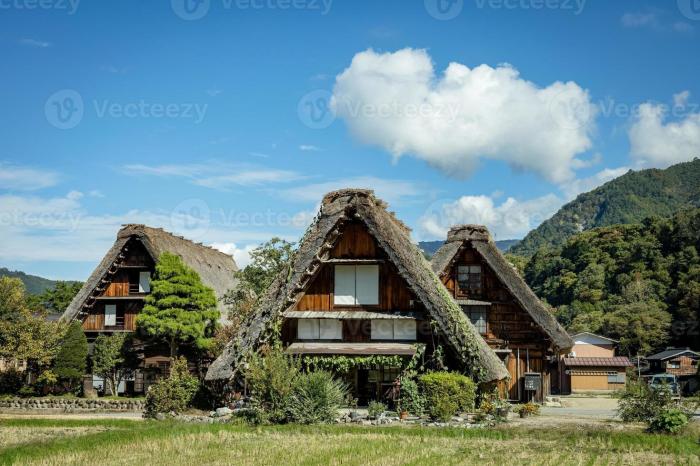
So, how much does a trip to Japan cost? By breaking down the costs and understanding the impact of various factors, you can plan an unforgettable adventure without breaking the bank. From the serene landscapes of Japan’s countryside to the vibrant streets of Tokyo, your dream trip is within reach. So pack your bags, grab your camera, and get ready to discover Japan – your wallet will thank you.
Question & Answer Hub: How Much Does A Trip To Japan Cost
Q: What’s the average cost of a day in Japan?
A: The average daily cost in Japan can range from $50-$100 per person, depending on your travel style and preferences. This estimate includes food, transportation, and entertainment expenses.
Q: How much should I budget for food in Japan?
A: The cost of food in Japan varies greatly, depending on the type of cuisine and dining experience. You can expect to pay around $10-$20 for a meal at a mid-range restaurant, while high-end dining experiences can cost upwards of $50-$100 per person.
Q: Can I use credit cards in Japan?
A: Yes, many businesses in Japan accept credit cards, but some merchants may charge a small fee for international transactions. It’s always a good idea to inform your bank of your travel plans to avoid any issues with transactions.
Q: How do I get around Japan?
A: Japan has an extensive public transportation system, including trains, buses, and subways. You can also rent a car or use taxis, but be aware that driving in Japan can be complex and expensive.


