


How to check what motherboard i have – With billions of computers in use worldwide, ensuring that your motherboard is compatible with your CPU and other components can be a daunting task. But don’t worry, I’ve got you covered. In this article, we’ll break down the steps to identify your motherboard’s specifications, capacity, and compatibility, as well as the potential consequences of mismatched chipsets and components.
Whether you’re a beginner or an experienced PC builder, this guide will provide you with a comprehensive overview of the motherboard identification process, from determining the motherboard’s model and manufacturer to verifying the warranty and support options.
Determining Motherboard Capacity and Compatibility
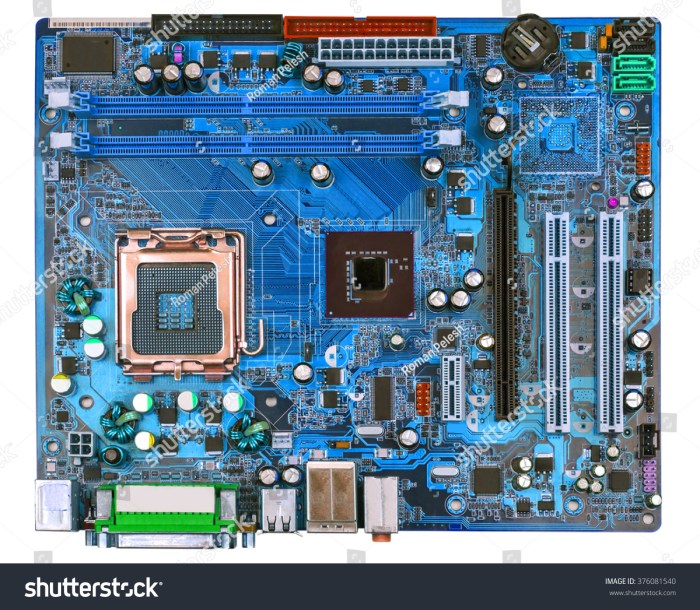
When setting up or upgrading your computer, understanding your motherboard’s capacity and compatibility is crucial for optimal performance and functionality. Knowing the specifications of your motherboard helps you choose the right RAM, storage devices, and other components that work harmoniously with your system.
RAM Compatibility: Identifying RAM Slots and Capacity
To determine the number of RAM slots and the maximum RAM capacity supported by your motherboard, you need to identify the type of RAM slots it has. Common RAM slot types include SO-DIMM (Small Artikel Dual In-Line Memory Module) and DIMM (Dual In-Line Memory Module).
Most modern motherboards support both DDR3, DDR4, and DDR5 types of RAM. You can check the specifications on the motherboard box or documentation, or consult the motherboard manual. For instance, an Intel motherboard may have two DDR4 slots, while an AMD motherboard might have four DDR5 slots. Checking the RAM capacity is as simple as looking at the slots’ size.
To check what motherboard you have, start by opening up your computer case and locating the motherboard, usually visible under the CPU cooler. Next, you can try a quick Google search, but before that, take a break and relax with a perfectly cooked soft boiled egg , made by carefully boiling an egg for 6-7 minutes. Now, you can go back to your search, try typing your computer manufacturer’s model number, and most likely, the results will provide information about the specific motherboard you have.
DDR4 DIMMs, for example, are longer and wider than DDR3 DIMMs, so you can easily distinguish between them. A common mistake is buying a larger DIMM than the motherboard can handle. Always check the motherboard manual or the manufacturer’s website for compatible RAM configurations to avoid incompatibility issues.
Storage Compatibility: NVMe M.2 Slots and SATA Ports
To determine the type of storage devices compatible with your motherboard, you need to check for NVMe M.2 slots and SATA ports. NVMe (Non-Volatile Memory Express) is a protocol designed for high-speed storage. M.2 slots provide a compact and fast interface for NVMe SSDs, offering blazing-fast read and write speeds. SATA (Serial Advanced Technology Attachment) ports, on the other hand, are slower but still widely used for traditional SSDs and HDDs.
Check your motherboard to see how many M.2 slots and SATA ports are available. If you want to use the latest NVMe SSDs, make sure you have an M.2 slot that supports NVMe. Most modern motherboards have one or two M.2 slots, while older models might have only SATA ports or a combination of both.
Key Storage Device Compatibility Features:
- NVMe M.2 slots for fast NVMe SSDs
- SATA ports for traditional SSDs and HDDs
- Make sure the motherboard supports the storage device’s interface (e.g., SATA, M.2, PCIe)
- HDD (Hard Disk Drive): Traditional spinning disks, often used for storage, have large capacities but slower access times. They are no longer the fastest storage option.
- SSD (Solid-State Drive): Solid-state drives store data on interconnected flash memory chips. They are faster than HDDs, quieter, and use less power.
- NVMe SSD (Non-Volatile Memory Express Solid-State Drive): These drives use the NVMe protocol to provide high performance, sequential write speeds beyond 5000MB/s, making them ideal for fast storage applications.
Checking BIOS Settings
To determine the maximum compatible capacity for each storage device, you need to check the motherboard’s BIOS settings. The BIOS (Basic Input/Output System) settings can be accessed by pressing F2 or Del during boot-up. Check the storage settings to see the available slots and their maximum capacity. Some motherboards might have specific BIOS settings for NVMe SSDs or SATA ports.
It’s essential to configure the BIOS to support the storage device you’re using to ensure optimal performance.
Storage Device Compatibility Checklist
When choosing a storage device, always check the following:
- Form Factor: Make sure the storage device fits in the motherboard’s M.2 slot or SATA port.
- Interface: Check if the motherboard supports the storage device’s interface (e.g., SATA, M.2, PCIe).
- Capacity: Verify the motherboard’s maximum compatible capacity for the storage device.
Determining Motherboard Power Supply Requirements: How To Check What Motherboard I Have

In a world where computer systems are essential to modern life, determining the power supply requirements of a motherboard is a crucial step in building or upgrading a computer. A power supply that is too small can lead to system crashes, overheating, and even damage to the motherboard and other components. On the other hand, a power supply that is too large can be wasted power and unnecessary cost.When it comes to determining the power supply requirements of a motherboard, several factors come into play.
The number of CPU cores, RAM, and expansion cards are just a few of the key considerations.
The Impact of CPU Cores on Power Supply Requirements
The number of CPU cores can significantly impact the power supply requirements of a motherboard. Modern CPUs with high core counts require more power to operate efficiently. For example, a CPU with 8 cores may require 100-150 watts of power, while a CPU with 16 cores may require 200-250 watts of power. This is especially true for overclocked CPUs that require even more power to operate at high speeds.
The Impact of Memory on Power Supply Requirements
RAM (Random Access Memory) also plays a significant role in determining the power supply requirements of a motherboard. The more RAM you need, the more power is required to support it. For example, a motherboard with 16 GB of RAM may require 5-10 watts of power, while a motherboard with 32 GB of RAM may require 10-20 watts of power.
This may not seem like a lot, but it adds up quickly when you factor in the power required by other components.
The Impact of Expansion Cards on Power Supply Requirements
Expansion cards, such as graphics cards and sound cards, can also impact the power supply requirements of a motherboard. These cards require power to operate and can draw significant amounts of power. For example, a graphics card may require 75-150 watts of power, while a sound card may require 5-10 watts of power.
Want to upgrade your PC or buy a new one but unsure what motherboard you’re currently rocking? First, identifying the motherboard is crucial, so head to the BIOS settings and look for the ‘Mainboard’ or ‘System Information’ section – this will reveal the model number, like the steps involved in deleting a Microsoft account , and help you find a compatible replacement.
This will save you from buying a new motherboard unnecessarily.
CALCULATING POWER SUPPLY REQUIREMENTS
To calculate the power supply requirements of a motherboard, you can use a simple formula:Power Supply Required = (CPU Power + RAM Power + Expansion Card Power) x 1.1This formula accounts for the power required by the CPU, RAM, and expansion cards, and adds a 10% margin to ensure that the power supply can handle any additional power requirements.
COMMON POWER SUPPLY CONNECTORS
A typical motherboard has several power supply connectors, including:
- ATX (Advanced Technology eXtended) connectors: These are the most common power supply connectors and provide 20-24-pin power to the motherboard.
- EPS (Enterprise Power Supply) connectors: These connectors provide 4-pin or 8-pin power to the CPU and are typically used in high-end systems.
- M-ATX (Micro-ATX) connectors: These connectors provide 20-pin power to the motherboard and are typically used in micro-ATX systems.
CONSEQUENCES OF UNDER OR OVER-SPECIFYING THE POWER SUPPLY
Under-specifying the power supply can lead to system crashes, overheating, and even damage to the motherboard and other components. On the other hand, over-specifying the power supply can waste power and lead to unnecessary cost.
It’s essential to carefully consider the power supply requirements of your motherboard to ensure that your system runs smoothly and efficiently.
Checking Motherboard Form Factor and Socket Compatibility
When it comes to upgrading or building a new computer, understanding your motherboard’s specifications is crucial for ensuring compatibility and optimal performance. One of the critical aspects to consider is the motherboard’s form factor and socket compatibility, which can impact the choice of central processing unit (CPU) and other components.
The motherboard’s form factor determines its size and shape, with common types including ATX, Micro-ATX, and Mini-ITX. The socket compatibility refers to the type of CPU socket found on the motherboard, which must match the CPU’s type to ensure proper installation and functionality.
Identifying Motherboard Form Factor
Identifying the motherboard’s form factor is relatively straightforward. You can find the form factor information printed on the motherboard itself, typically on the top or bottom side. You can also consult your motherboard manual or manufacturer’s website for specific information.
- ATX (Advanced Technology eXtended): This is the most common form factor, supporting up to 7 PCI slots and multiple PCIe slots.
- Micro-ATX (Micro-Advanced Technology eXtended): Smaller than ATX, Micro-ATX motherboards support up to 4 PCI slots and a few PCIe slots.
- Mini-ITX (Mini-Advanced Technology eXtended): The smallest form factor, Mini-ITX motherboards support a single PCIe slot and limited expansion capabilities.
Understanding CPU Sockets
Understanding CPU sockets is essential to ensure compatibility between the CPU and motherboard. There are several types of CPU sockets found on motherboards, each with its own unique design and requirements.
- LGA (Land Grid Array): This type of socket features land grids on the motherboard, with the CPU’s pins making contact with the motherboard.
- PGA (Pin Grid Array): This type of socket features pins on the motherboard, with the CPU’s pads making contact with the motherboard.
- Socket: This type of socket features a socket design with pins on the motherboard, but without the land grids.
Different types of CPU sockets require specific socket keys and retention mechanisms, which must be matched to the CPU type to ensure proper installation and functionality.
Consequences of Using a Different Socket Type
Using a CPU with a different socket type than the motherboard can have severe consequences, including:
- Incompatibility issues: The CPU may not fit properly in the socket, or the socket may not provide sufficient power or cooling for the CPU.
- Damage to components: Attempting to force a CPU into a socket with the wrong socket type can result in damage to the CPU, motherboard, or other components.
- Oversight of potential compatibility: It’s crucial to verify that your motherboard supports a specific CPU architecture, or else you might end up getting a CPU that is not compatible with your existing motherboard, making it unusable altogether.
Verifying Motherboard Warranty and Support
Most motherboard manufacturers offer some form of warranty and support to protect customers’ investments. When purchasing a motherboard, it’s essential to check the warranty and support options offered by the manufacturer to ensure you’re getting the best value for your money.Checking the motherboard’s warranty and support is a crucial step before making a purchase. A warranty provides peace of mind and financial protection against defects or malfunctions, while support options can help resolve issues quickly and efficiently.
Types of Motherboard Warranties
Manufacturers typically offer different types of warranties, including limited warranties and extended warranties. A limited warranty usually covers defects in materials and workmanship for a specific period, such as one year. An extended warranty, on the other hand, provides additional coverage beyond the standard warranty period, often for an additional fee.
- Limited Warranty: Covers defects in materials and workmanship for a specific period, usually one year.
- Extended Warranty: Provides additional coverage beyond the standard warranty period, often for an additional fee.
Verifying Motherboard Warranty and Support
To verify the motherboard’s warranty and support, you can check the manufacturer’s website or contact their customer support directly. The manufacturer’s website usually provides detailed information about warranty terms and conditions, as well as support options.* Check the manufacturer’s website for warranty terms and conditions.
- Contact customer support directly to inquire about warranty and support options.
- Look for online forums or communities where users can discuss their experiences and ask questions.
Importance of Checking Warranty and Support Options, How to check what motherboard i have
Checking the warranty and support options before purchasing a motherboard is crucial to ensure you’re getting the best value for your money. A good warranty and support system can provide peace of mind and financial protection against defects or malfunctions, while a poor one can leave you stranded with no support.* A good warranty and support system can provide peace of mind and financial protection against defects or malfunctions.
A poor warranty and support system can leave you stranded with no support.
Types of Support Options
Manufacturers often offer various support options to help customers resolve issues quickly and efficiently. These options may include online forums, phone support, and email support.
- Online Forums: Communities where users can discuss their experiences and ask questions.
- Phone Support: Direct contact with a support specialist to resolve issues over the phone.
- Email Support: Support queries can be sent via email, and responses are provided via email.
Final Wrap-Up

In conclusion, identifying your motherboard’s specifications, capacity, and compatibility is crucial for building a stable and efficient computer system. By following the steps Artikeld in this article, you’ll be able to determine the motherboard’s model and manufacturer, verify the warranty and support options, and ensure that your CPU and other components are compatible with the motherboard.
Remember, a well-identified motherboard is key to a smooth PC-building experience. Don’t be afraid to take the time to understand your motherboard’s specifications, and you’ll be rewarded with a system that runs smoothly and efficiently.
General Inquiries
Q: Can I use a motherboard with a different socket type than my CPU?
A: No, it’s not recommended to use a motherboard with a different socket type than your CPU, as this can lead to compatibility issues and potentially damage your system.
Q: How do I determine the type of storage devices compatible with my motherboard?
A: You can determine the type of storage devices compatible with your motherboard by checking the manual or online documentation, or by identifying the types of chipsets and components on the motherboard.
Q: Can I use a higher-capacity RAM than recommended by the motherboard specifications?
A: No, using a higher-capacity RAM than recommended by the motherboard specifications can lead to compatibility issues and potentially damage your system.
Q: How do I verify the motherboard’s warranty and support options?
A: You can verify the motherboard’s warranty and support options by checking the manufacturer’s website or contact information.
Q: Can I use a motherboard with a different form factor than my case?
A: Yes, but you may need to use a different case or riser card to accommodate the motherboard.


